Gravity Grotesk, Gravity Serif typography 1.5
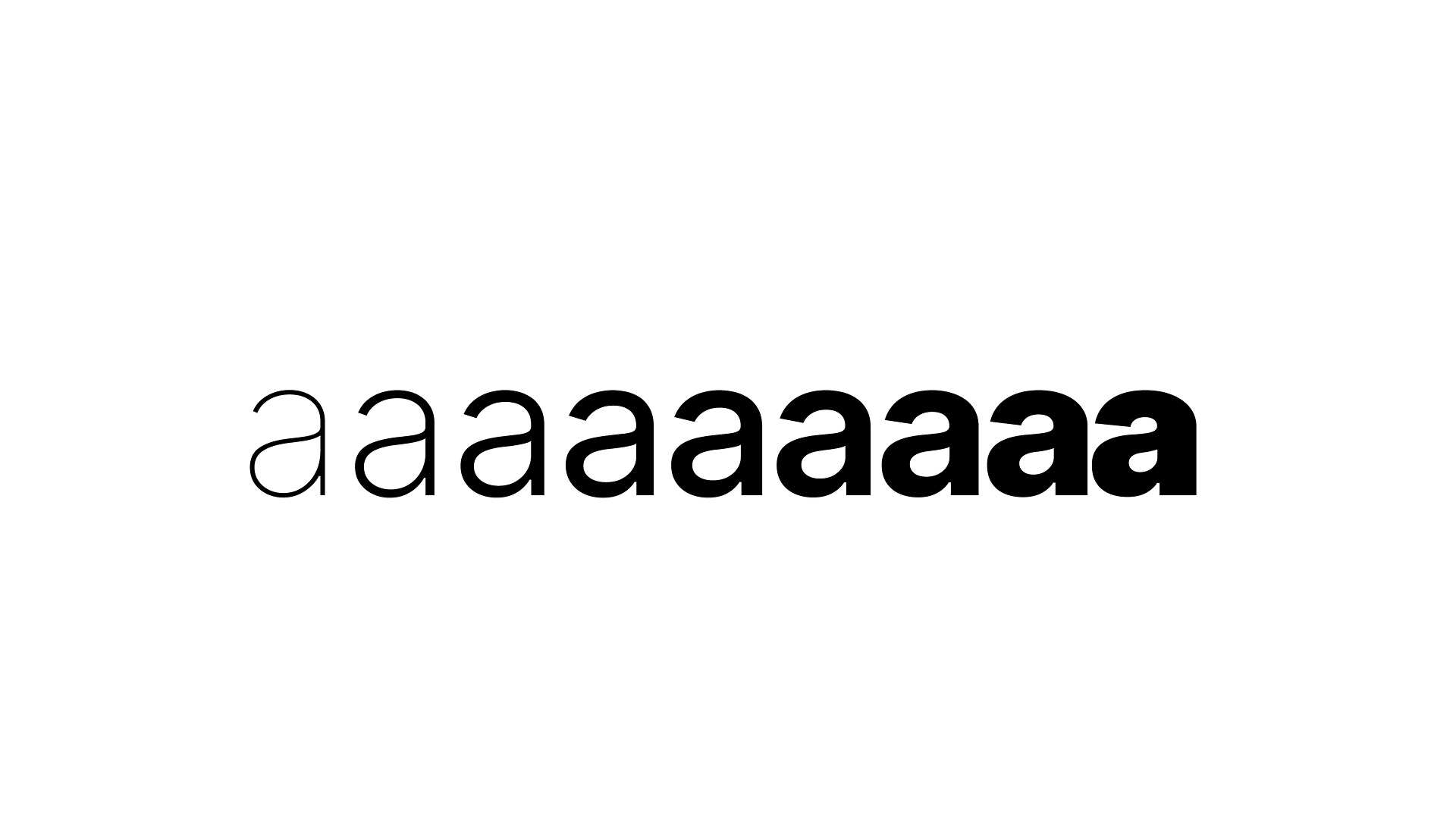
Gravity Grotesk is a neutral sans for my web. A lower x-height and tighter spacing give it a grotesk voice. Flat ledges where curves meet stems and angled terminals give it a character of its own. Gravity Serif shares its x-height, cap height, and line height, so the two mix on one line.
Family
Gravity Grotesk, Gravity Grotesk Italic, Gravity Serif, Gravity Serif Italic
Weights
Variable 100–900, plus 9 static weights per style
Language support
Latin incl. all Central European, Greek, Cyrillic
Features
Tabular figures, fractions, superscripts, small caps, case-sensitive
forms
Formats
TTF variable and static, WOFF2 for web
Version
1.500 — October 2026
Licence
OFL
Don’t miss the next essay. Sign up for our newsletter
⸻ Newsletter signup
We use craft in every project. Not as decoration. Not as nostalgia. As a way of thinking.
Craft in design thinking is how we structure every decision we make — not what it looks like at the end, but how the problem gets interrogated from the start. We've been working this way since 2004. Craft in design thinking means slowing down where other studios speed up, and knowing exactly why.
Have you ever tipped a designer?
Tipping a designer is something almost no client ever considers — and that silence is worth examining. We've delivered work that changed how companies present themselves to the world, and the conversation about money always ends at the invoice. Tipping a designer feels foreign, even absurd, until you ask yourself why.
Numbers can tell us what happened. Creativity helps us decide what should happen next for the brand.
We can measure reach and clicks. We can't measure instinct or taste. Here's why that gap matters more than any conversion rate.
How to Be a Real Designer
How to be a real designer isn't about software or style — it's about who holds the argument when the client wants something easier. We've been in that room for twenty years. Being a real designer means resisting the comfortable solution, even when no one asks you to.
Remember when you learned to spot a stock photo?
You could see it from a mile away. The same thing is happening now. We are growing up developing an even sharper instinct for what feels generated, repeated, predictable, and empty.
What are you buying with a designer?
What you buy with a designer is rarely what appears on the invoice. The file is the last thing — what precedes it is accumulated judgment, pattern recognition sharpened across decades, and the discipline to reject work that almost works. We've built 81 logos and won over 80 awards not by delivering what clients asked for, but by understanding what they actually needed.
What is the one positive impact the brand wants to have
Brand positive impact is the question we ask before anything else — before colour, before form, before the first mark on paper. Not what the brand sells, but what shift it causes in the people who encounter it. That single answer, when we find it, becomes the gravitational centre everything else orbits.