How do you visualize a programming language that turns human words into executable code?
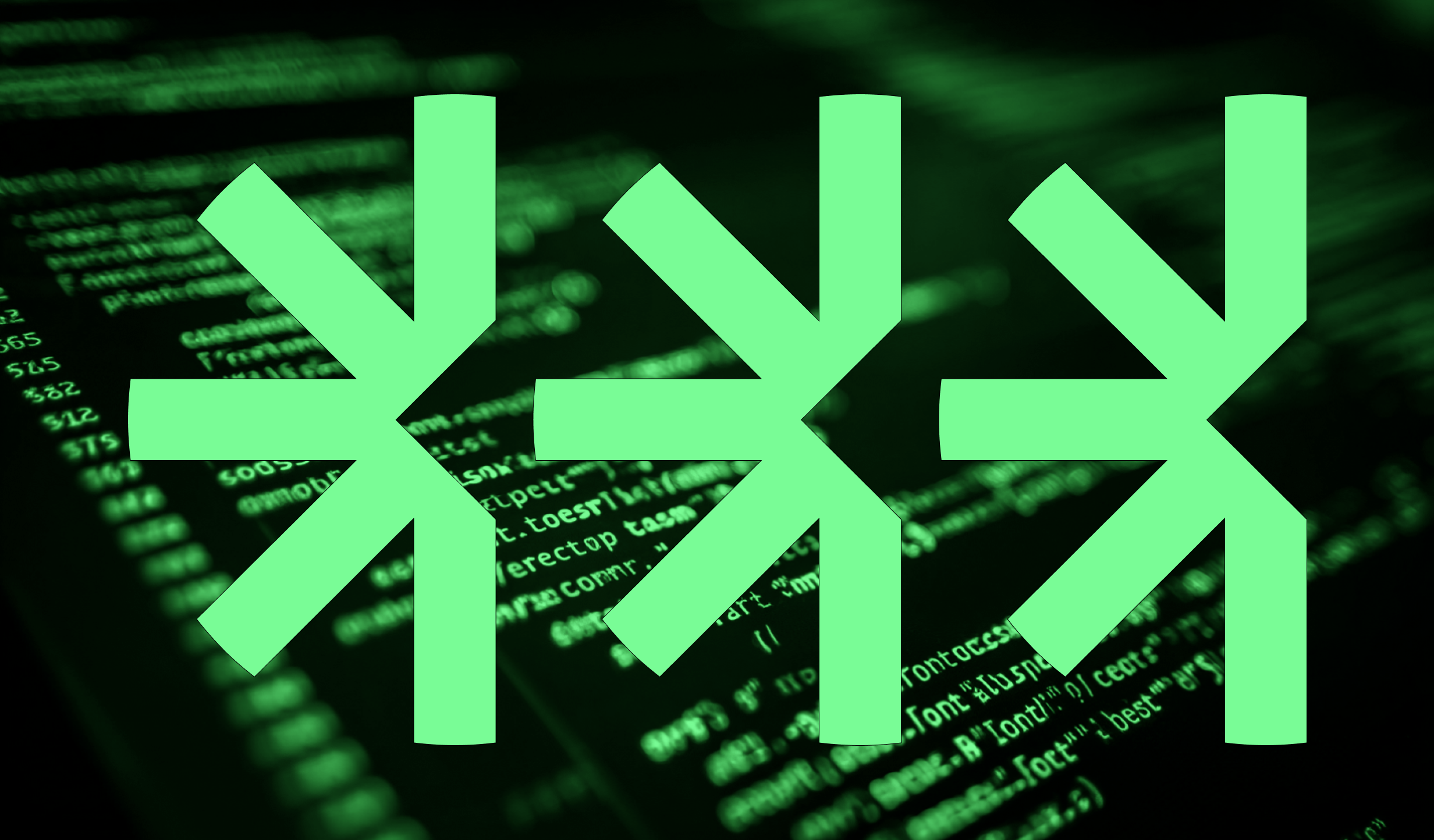
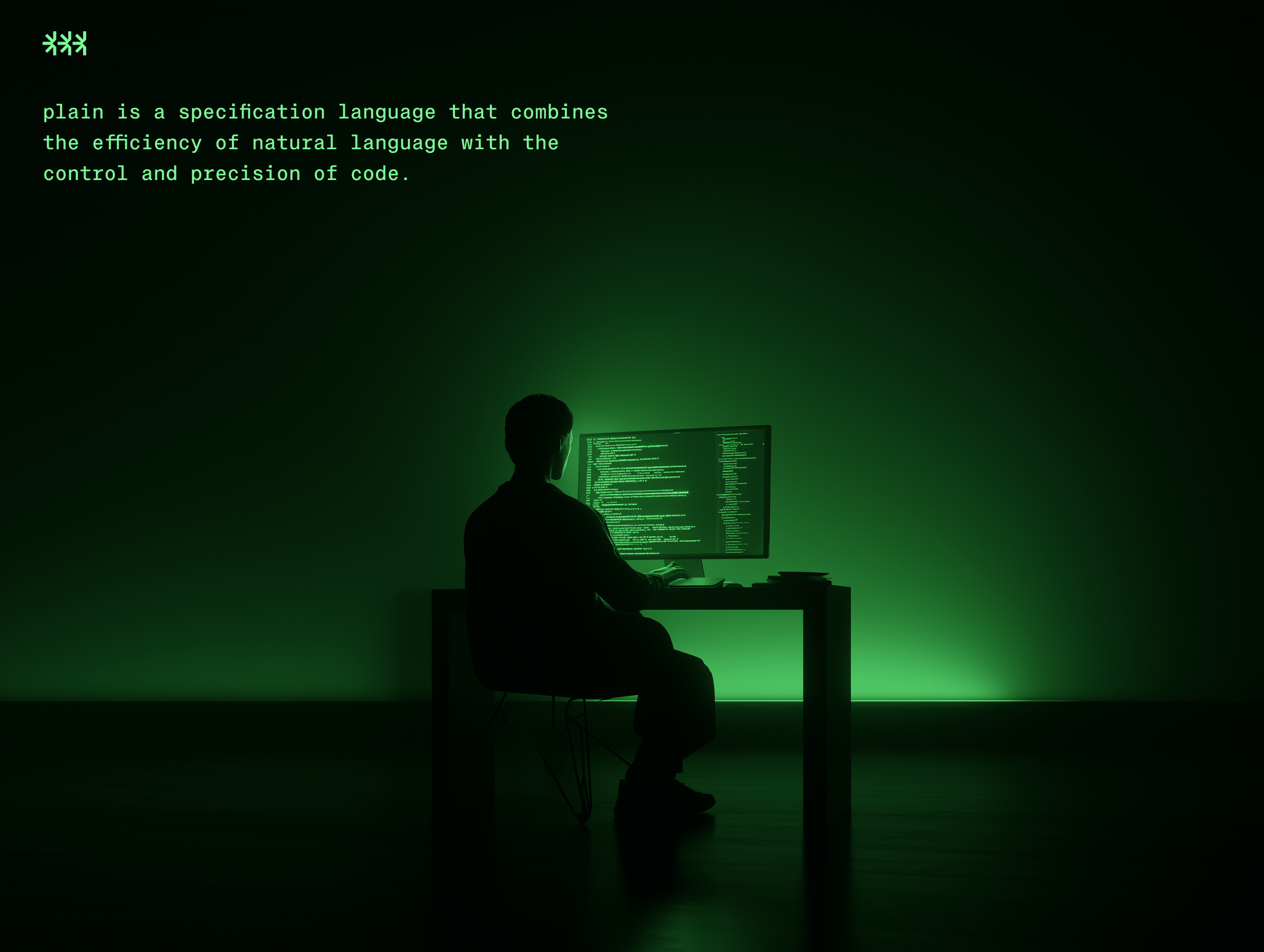
Programming language brand identity presents unique challenges when the product transforms human words into executable code. We developed codeplain’s visual system around three asterisks and clean typography that mirrors the language’s core philosophy of turning complexity into accessible simplicity.
Client: codeplain
The concept
The brief centered on a fundamental shift in programming — turning structured English into functional code. We needed to communicate this bridge between human thought and machine logic while avoiding the visual complexity that typically defines tech brands.
The mark
We built the identity around three asterisks before “plain” — raw, direct, unadorned. The typography balances monospace precision with human readability, mirroring the language’s core philosophy of clarity without unnecessary complexity.
Outcome
***plain now carries a visual identity as clear and purposeful as its code, reflecting the language’s promise of transforming complexity into simplicity.
Brand identity · Logo design · Typography · Visual guidelines
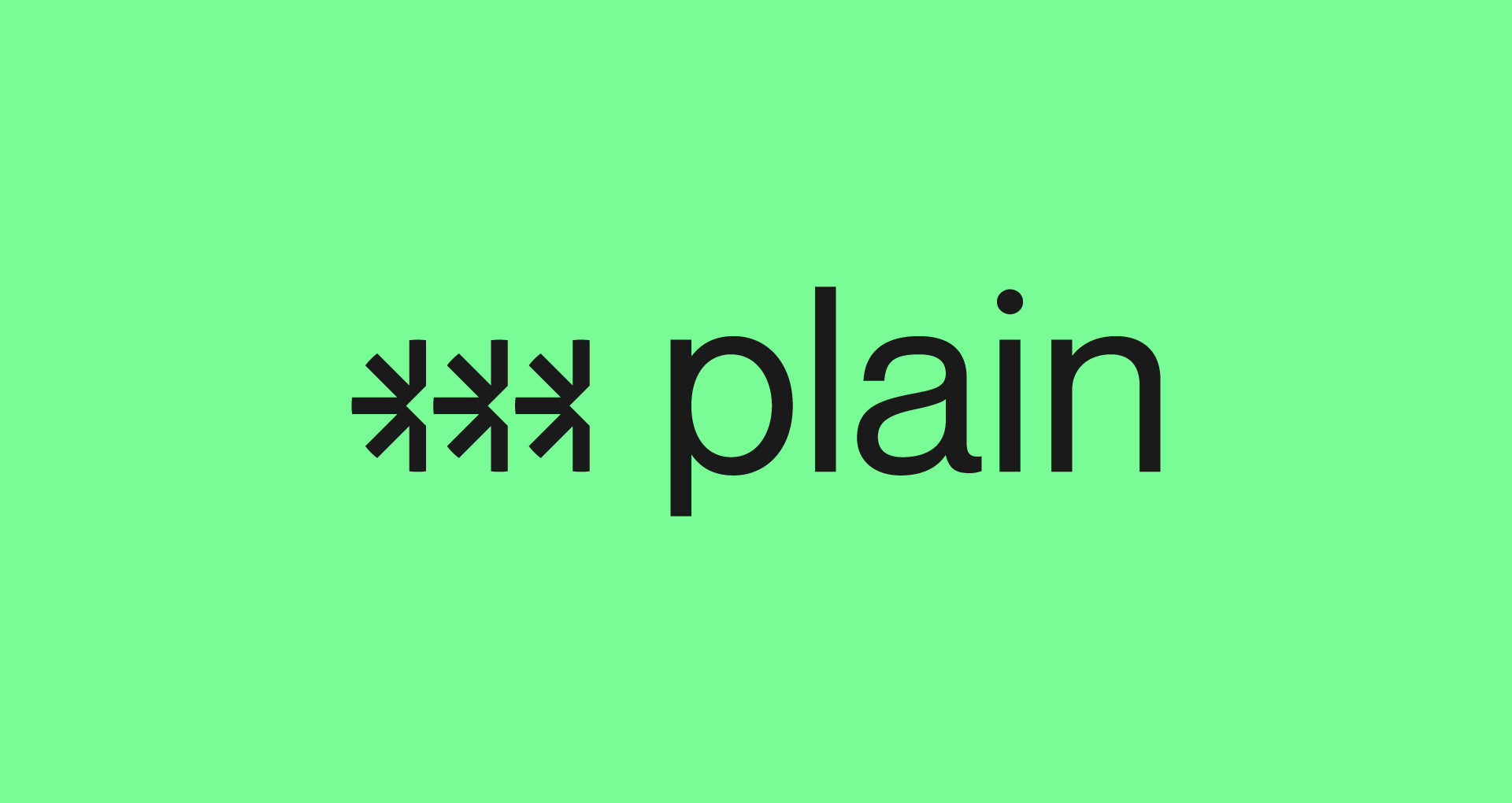
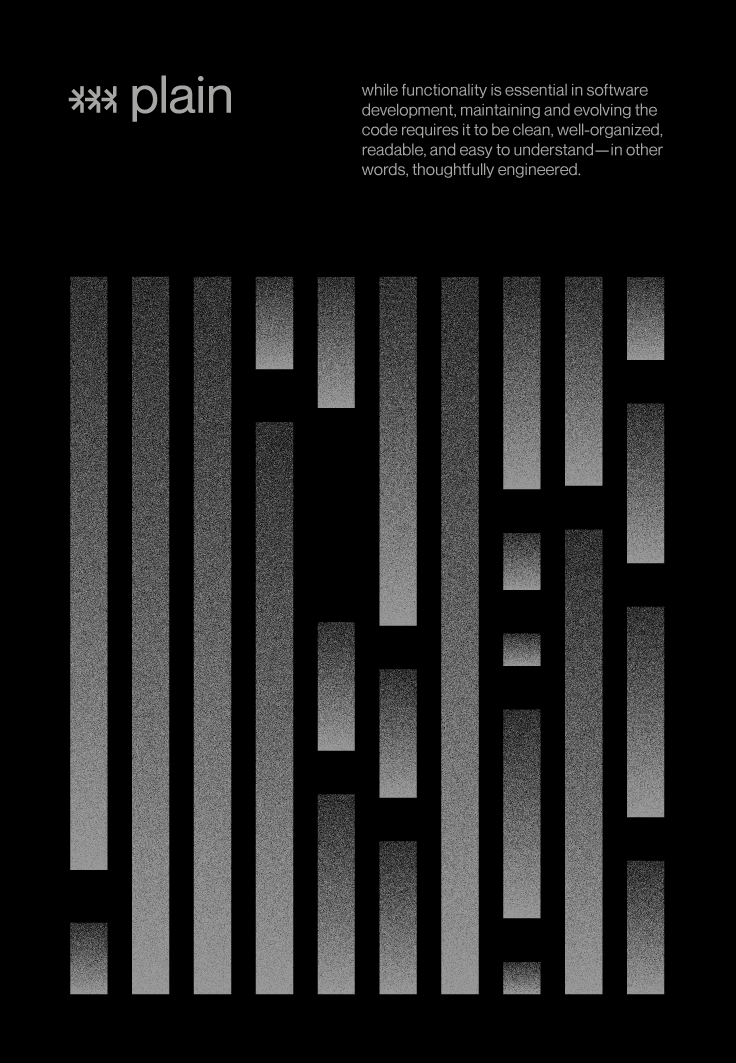
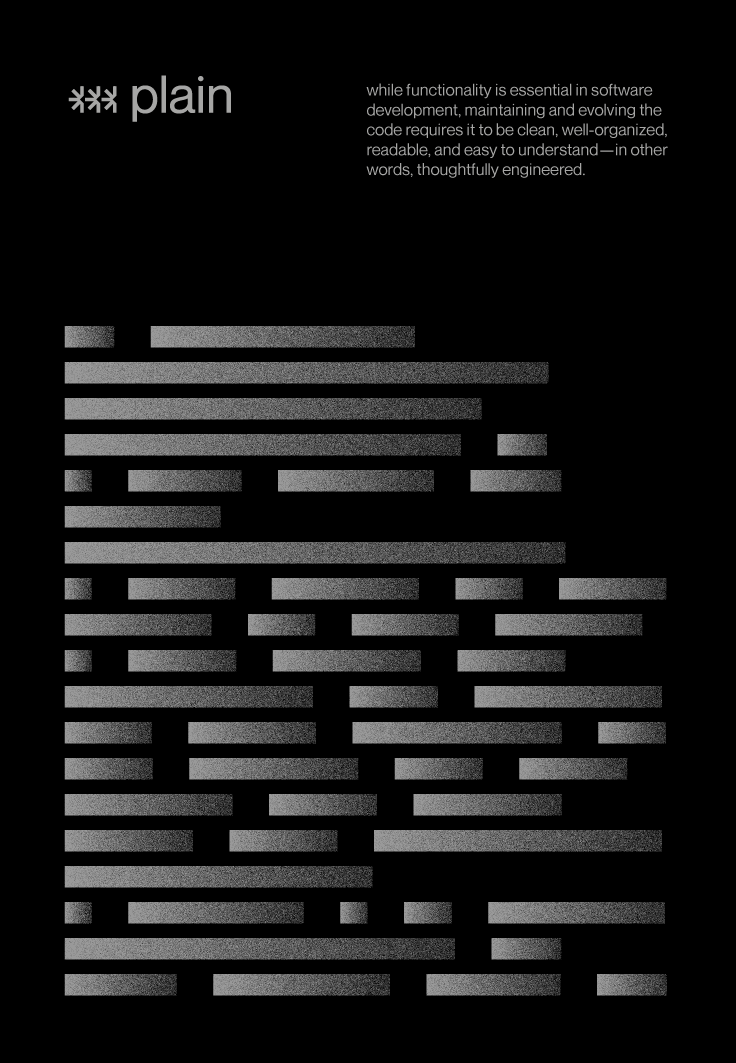
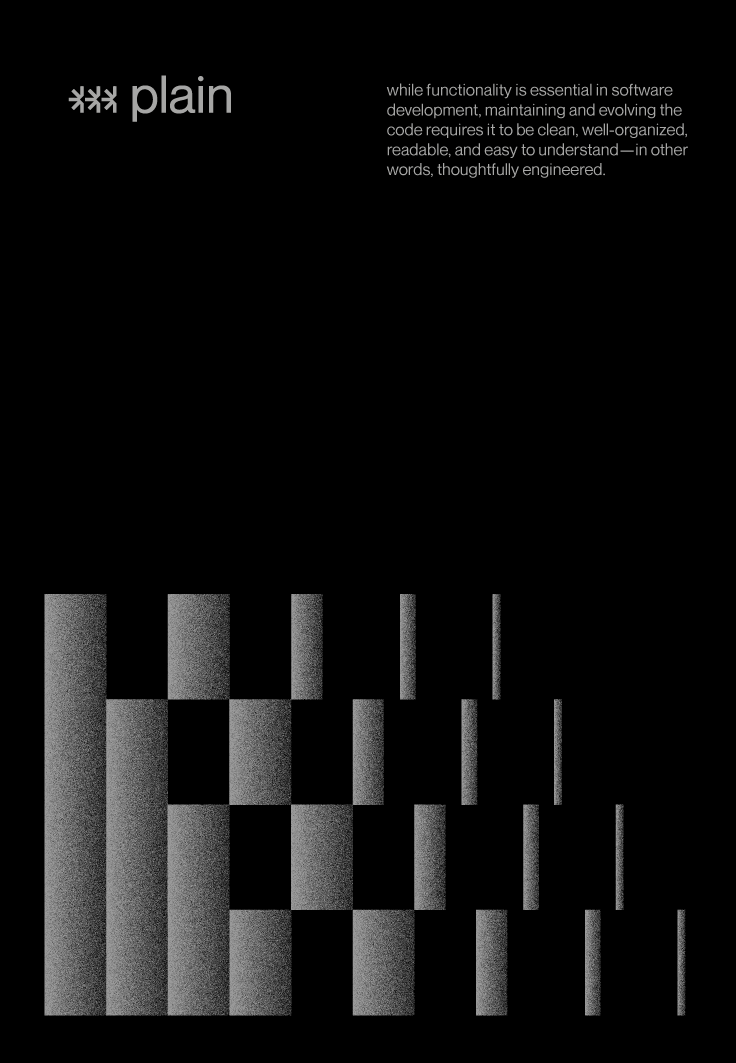
Three asterisks before a word that means exactly what it says.
The Why behind codeplain started with a problem most programming language identities ignore: how do you visualize the transformation from human thought to executable code without falling into the usual tech aesthetic traps? The What we built is deceptively simple — three asterisks preceding “plain” in clean typography that refuses ornamentation. The How required restraint: no gradients, no abstract symbols, no visual metaphors for “innovation.” Just raw punctuation that programmers recognize and typography that mirrors the language’s directness. The Values are accessibility over complexity, clarity over cleverness.
The Design works because it does not try to explain what codeplain does — it embodies how codeplain thinks. The asterisks are not decorative; they are functional markers that programmers already understand. The typography balances modernity with readability because the language itself balances natural language with code structure. This is not minimalism as style choice but as philosophical position. The Story is a programming language that trusts its users’ intelligence enough to communicate in plain English, and an identity that trusts viewers’ intelligence enough to skip the visual explanation.